


A leaking storage tank, valve, pipework, damaged bund lining, or accidental spill from decanting liquids near a stormwater drain can create serious legal implications for a commercial, institutional or industrial site. The right containment system helps keep spilled liquids within a designated area and limits the risk of them reaching surrounding ground or waterways.
Choosing a suitable solution starts with looking at what’s stored on site, the volume to be contained, how the area is used and whether the existing bunding can do the job.
This guide explains the main spill containment options, what to consider when reviewing an existing system and how to identify areas that may need attention and or specialised expertise.
What Are Spill Containment Solutions?
Spill containment solutions are systems designed to prevent accidentally released liquids from spreading beyond a confined area and potentially reaching soil, stormwater drains or surrounding waterways.
A storage tank may need a permanent bund to contain leaks, while maintenance work may call for temporary containment. If an existing bund has deteriorated or is no longer fit for purpose, upgrading it may be an option. Outdoor bunds also need a way to manage rainwater without reducing the space available to contain a spill.
The right approach needs to address site risks, fit daily operations and remain practical to maintain over time.
What Should You Consider When Choosing a Containment System?
The Type and Quantity of Liquid Being Stored
The chemical and physical properties of the liquid and the maximum quantity present are important starting points. Oil, fuel, chemicals and other industrial or commercial liquids can have different containment and material compatibility requirements.
Consider what is stored, how it is handled and what could happen if a leak or spill occurs. These factors help determine the type of containment required and the relevant design considerations.
Site Layout and Operating Conditions
Existing equipment, access routes, drainage, underground services and surrounding infrastructure can all affect the design and installation of a containment system.
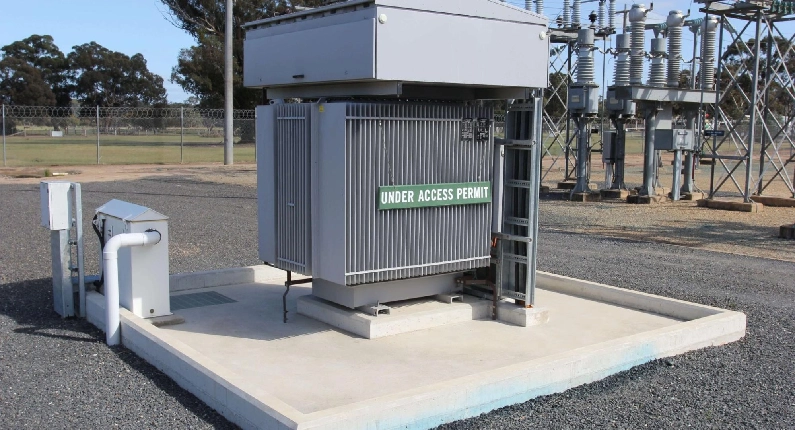
For example, a facility with large electrical transformers may have different requirements from a chemical storage area or a site undergoing equipment maintenance. The proposed solution also needs to account for access restrictions and whether installation work must take place around ongoing operations.
Managing Rainwater in Bunded Areas
Outdoor bunds can collect rainwater, reducing the space available to contain a spill. Sites need an appropriate way to manage accumulated water without compromising the bund’s containment function.
Where suitable, an oil/water separation system may form part of the water management arrangement. However, separating oil from water does not automatically mean the collected water is suitable for discharge. Water quality, the proposed discharge location and any applicable environmental or licensing conditions must also be considered.
Entexol’s Bund-Sep oil/water separation system separates oil from water in bunded areas. Its suitability should be assessed alongside the site’s water management and discharge requirements.
Inspection and Ongoing Maintenance
Bunds can develop cracks, leaks and damaged seals over time. Linings may also deteriorate, while stored materials or debris can reduce the space available to contain a spill and block drains.
Regularly check the bund for these signs of damage and keep the containment area clear. If you notice a leak, damaged lining or a failing seal around a pipe or cable entry, arrange an assessment to establish what repairs are needed and whether further testing is warranted.
Spill Containment Options
Different containment options address different needs. Some facilities require new infrastructure, while others need temporary protection, improvements to an existing bund or a way to manage accumulated water.
The following table provides a starting point for identifying the options or services that may be relevant to your site.
| Option or service | When it may be relevant | Key considerations |
| Permanent bunding | New installations, equipment upgrades or storage areas requiring fixed containment | Storage requirements, capacity, site layout and applicable standards |
| Temporary bunding | Construction, maintenance or other short-term activities | Duration, site conditions, liquids involved and required containment |
| Retrofit bunding | Existing systems that may need modification or upgrading | Current condition, design limitations and suitability for modification |
| Oil/water separation | Bunded areas where collected oil contaminated water needs to be managed | System suitability, water quality and applicable discharge requirements |
| Assessment and upkeep of existing containment | Existing systems requiring condition assessment or ongoing maintenance | Signs of deterioration, inspection findings and potential remedial work |
These options are not necessarily alternatives to one another. A facility may need a combination of containment, water management and ongoing maintenance to address its requirements.
Permanent Bunding
Fixed secondary containment can be designed around storage tanks, electrical equipment and other industrial assets. The design needs to account for the application, site conditions and relevant requirements.
Entexol provides industrial bunding solutions for projects requiring new containment infrastructure tailored to the site’s needs.
Temporary Bunding
Temporary containment may be appropriate for maintenance work, construction activities or other projects where spill protection is required for a limited period.
The arrangement needs to suit the work being undertaken, the liquids involved and the conditions at the site. Where permanent infrastructure is not required, temporary bunding solutions may provide a practical way to manage containment during the work.
Retrofit Bunding Solutions
Replacing an existing bund is not always the only option when a containment system needs to be improved. A retrofit may be worth investigating if the existing structure can accommodate the proposed changes.
Its condition, design, materials, existing services and operational constraints should be assessed before deciding whether an upgrade or replacement is appropriate. Entexol’s retrofit bunding solutions provide an option for sites reviewing their existing containment infrastructure.
Oil/Water Separation
If you need to manage collected oil-contaminated water within a bunded area, Entexol’s Bund-Sep oil/water separation system is one option to consider. As explained above, separation alone does not establish whether collected water is suitable for discharge.
Bund Testing, Repairs and Maintenance
Existing containment systems may require testing, inspection or remedial work to assess and maintain their condition via bund integrity testing.
Entexol provides bund testing and inspection services to assess containment systems. Where issues are identified, bund repairs and maintenance may also be relevant.
The appropriate next step depends on the findings and the condition of the system.
When Should an Existing Bunding System Be Reviewed?
Review a containment system when the site introduces new equipment or stored materials, changes its operating processes or modifies its drainage arrangements. Visible deterioration or concerns about how the system performs also warrant attention.
Look for potential issues such as:
- Cracks, leaks, damaged linings or other deterioration that may compromise the bund.
- Damaged seals around pipes, cables or other penetrations.
- Water accumulating and reducing the available containment capacity.
- Changes to the site that could affect how a spill would be contained.
An inspection can help establish the condition of the existing system and identify whether testing, repairs, maintenance or a retrofit should be considered.
What to Prepare Before a Spill Containment Assessment
Gathering relevant site information before an assessment can help establish the scope of the work and identify areas requiring further investigation.
Use this checklist to prepare:
- Liquids and quantities: Identify the liquids stored or handled, their relevant properties and the maximum quantities present.
- Site layout: Gather a site plan showing storage areas, equipment, drainage, access routes and nearby infrastructure.
- Existing bund condition: Note visible cracks, potential leaks, deterioration, damaged linings or other concerns.
- Pipes, cables and penetrations: Identify where services pass through bund walls or other containment structures.
- Operating requirements: Consider whether work must take place around live equipment, ongoing operations or restricted access.
- Water management: Document how rainwater accumulates within outdoor bunds and how collected water is currently managed.
- Applicable requirements: Gather relevant approvals, licences, previous inspection reports and any discharge conditions.
This information can help identify the issues that need to be investigated. It does not replace a technical assessment of the containment system.
What Requirements Apply to Industrial Spill Containment?
The requirements for spill containment depend on the type of liquid being stored, the facility’s operations and the relevant environmental regulations and standards. Businesses need to consider these requirements when installing a new bund, modifying an existing system or reviewing their current containment arrangements.
For example, a site storing fuel or chemicals may have different containment requirements from a facility managing oils around electrical equipment. Storage capacity, the materials used in the bund, drainage arrangements and the consequences of a spill can all influence the design.
Before proceeding with a new installation or upgrade, check the requirements that apply to your industry and site, including any relevant environmental approvals or discharge conditions. This helps ensure the proposed containment system addresses the risks associated with the materials being handled and the way the site operates.
Finding the Right Spill Containment Solution
Choosing a suitable containment system starts with understanding the liquids involved, the site’s operating conditions and the condition of any existing infrastructure. A review can help identify whether new bunding, temporary containment, a retrofit or further testing and maintenance should be considered.
Entexol provides industrial bunding and spill containment services, including new bunding, temporary bunding, retrofit solutions, testing, repairs and maintenance.
If you’re planning a new installation or reviewing an existing containment system, contact Entexol to discuss your spill containment requirements.
Frequently Asked Questions
What is the difference between bunding and spill containment?
Bunding usually involves a built containment area around tanks, equipment or liquid storage. If a leak occurs, the bund is designed to hold the liquid rather than let it spread. Spill containment covers a wider range of ways to control a release, including permanent bunds, temporary containment during maintenance work and other measures used to prevent spilled liquids from reaching drains or surrounding areas.
Do all industrial sites need the same bunding capacity?
No. The appropriate capacity depends on the liquid being stored, the quantities involved, site conditions and applicable requirements. Capacity should be determined through a site-specific assessment rather than applying one figure to every facility.
Can an existing bund be upgraded instead of replaced?
Potentially. A retrofit may be suitable if the existing infrastructure can accommodate the required changes. Its condition, design, materials and operational constraints should be assessed before deciding whether an upgrade or replacement is appropriate.
How often should a bunding system be inspected?
There is no single inspection interval that suits every site. The inspection schedule should reflect applicable requirements, site risks, operating conditions and the system’s maintenance needs. Additional checks may be warranted following damage, a spill or changes to the installation. Ground movement causing structural integrity compromise of existing concrete structures is generally visible in the form of cracks, balling etc.
Why is rainwater a concern for bunded areas?
Rainwater can accumulate inside an unroofed bund and reduce the space available to contain a spill during a rain event. Sites need an appropriate way to manage collected water without compromising containment or creating an uncontrolled discharge.
Does an oil/water separator mean collected water can be discharged?
Not automatically. An oil/water separator is designed to separate oil from water, but the resulting water must still be assessed against the requirements applicable to the site and proposed discharge. Separation alone does not establish that the water is suitable for release into a stormwater system or the environment.